🧑⚕️ Nvidia Bets Physical AI can Solve Healthcare Robotics Data Problem
Where robots learn to operate before they ever touch a patient.

The oldest Bitcoin hands just went quiet. Nvidia is trying to simulate surgery. A privacy-first data marketplace is making a bet that scraped content has an expiration date. And a Wall Street legend built a $14 billion empire by keeping it simple, really simple.
That’s this week. Here’s what’s inside:
• Surfing the Markets, with ETH and XRP.
• Don’t miss why Bitcoin OGs going silent might actually be the most bullish signal on-chain right now, and why Nvidia thinks it can train surgical robots without ever entering an operating room.
• KLED is under the spotlight.
• A deep dive into Peter Lynch, the investor who turned $18 million into $14 billion by ignoring most of what Wall Street told him to care about.

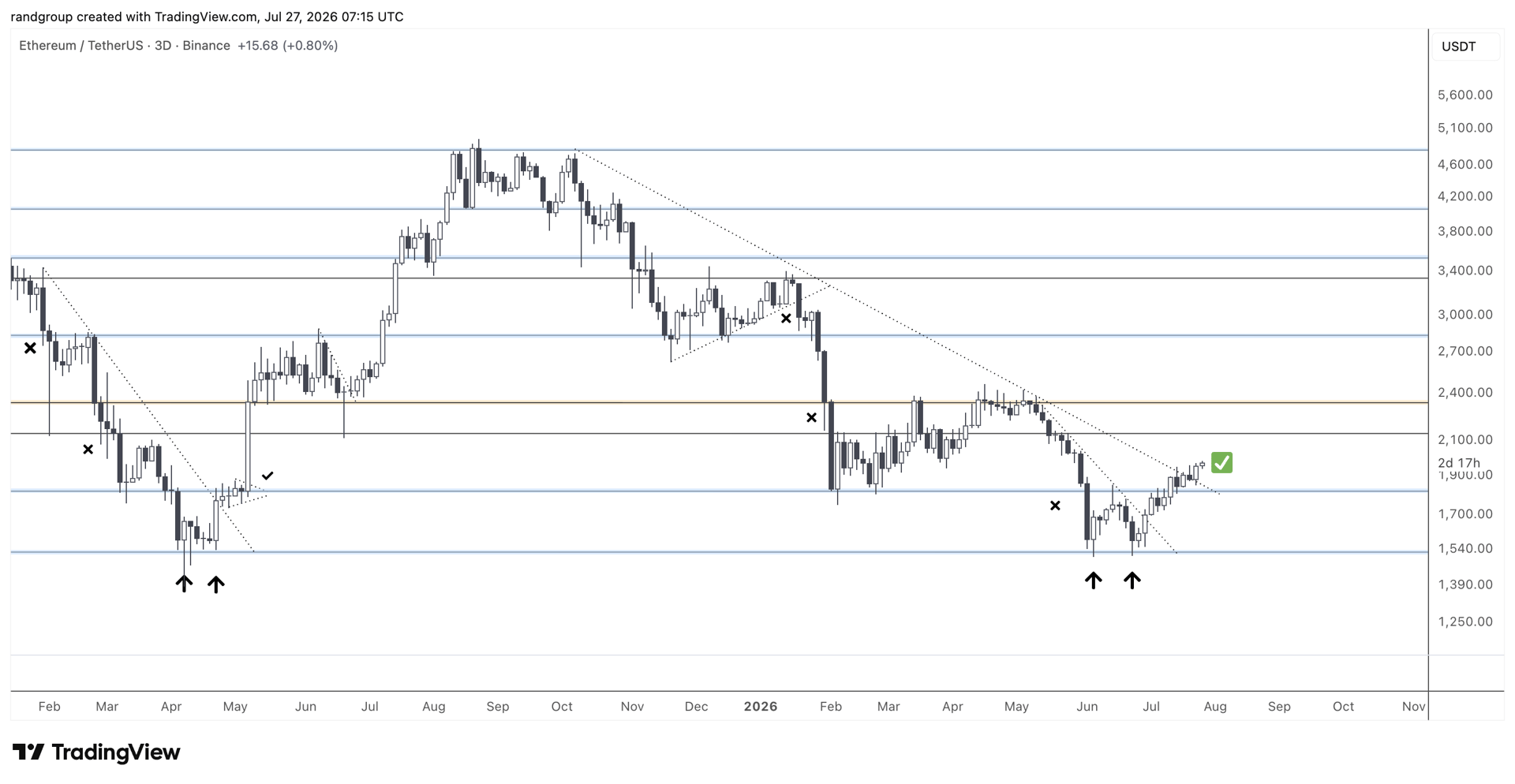
No chill for ETH which continues pushing at the verge of the breakout, about to trigger the full bullish reversal:
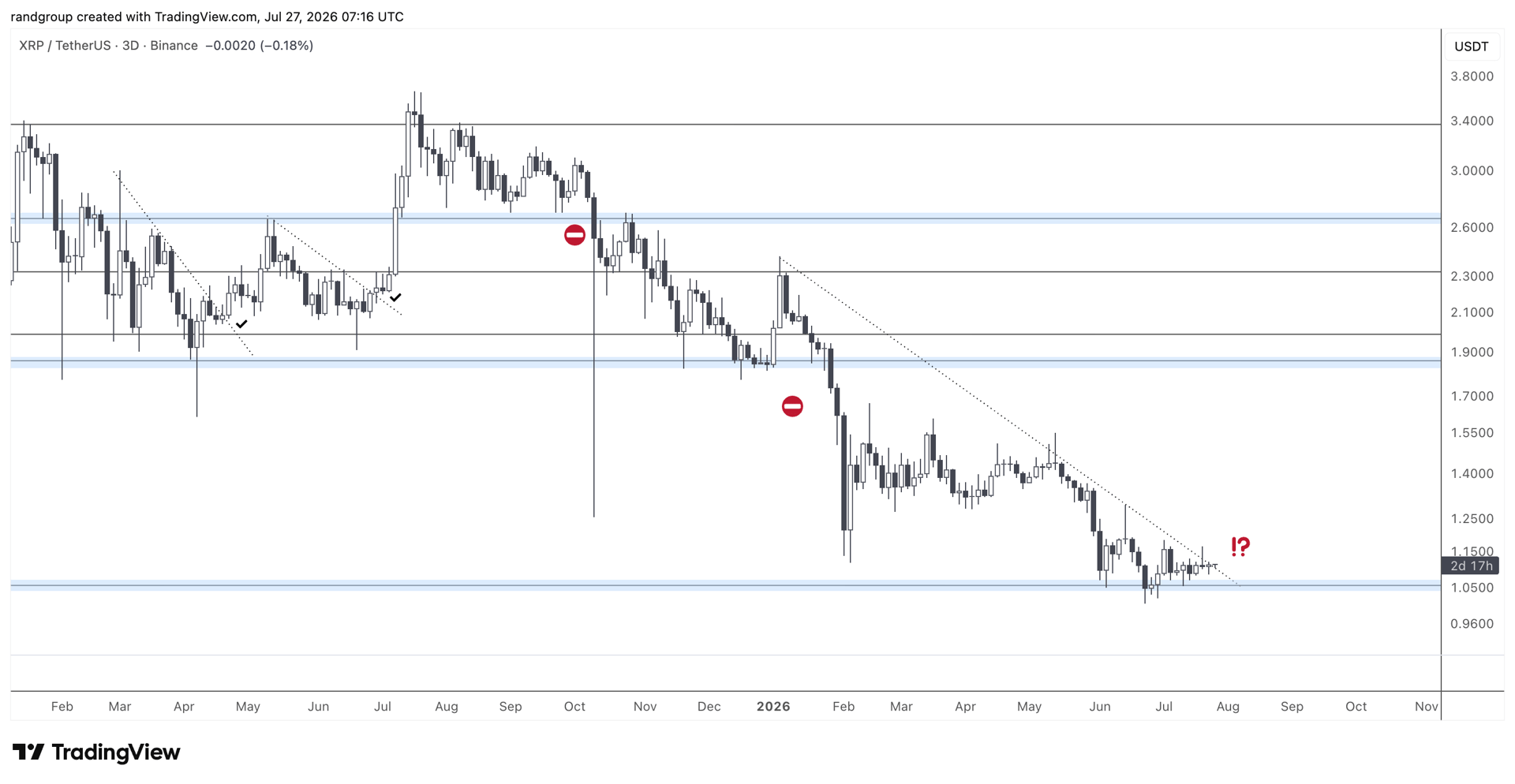
Also tracking XRP closely which is pushing to breach the yearly resistance after a massive correction:

Bitcoin OGs Go Quiet and That’s Actually Bullish

After a heavy stretch of profit-taking throughout 2024 and 2025, the hands that have held Bitcoin the longest are finally putting them back in their pockets. The data is starting to reflect what that shift in behavior looks like on-chain.
• Dormant BTC movement in Q2 2026 dropped to its lowest level since Q3 2022, per Galaxy Research
• Coin days destroyed, which weights older coins more heavily, showed a similar decline over the same period
• Galaxy’s head of firmwide research, Alex Thorn, attributed earlier spikes to “OGs taking profit”, a pattern that mirrors Bitcoin’s 2017 bull cycle
• Subdued dormant coin activity historically signals long-term holders are holding, not distributing
When the oldest hands in the market stop moving coins, selling pressure eases. It doesn’t guarantee a run, but it removes one of the cleaner historical headwinds. Long-term holders have already taken their profits. Now they’re watching.
Nvidia Wants to Teach Surgical Robots How to Feel
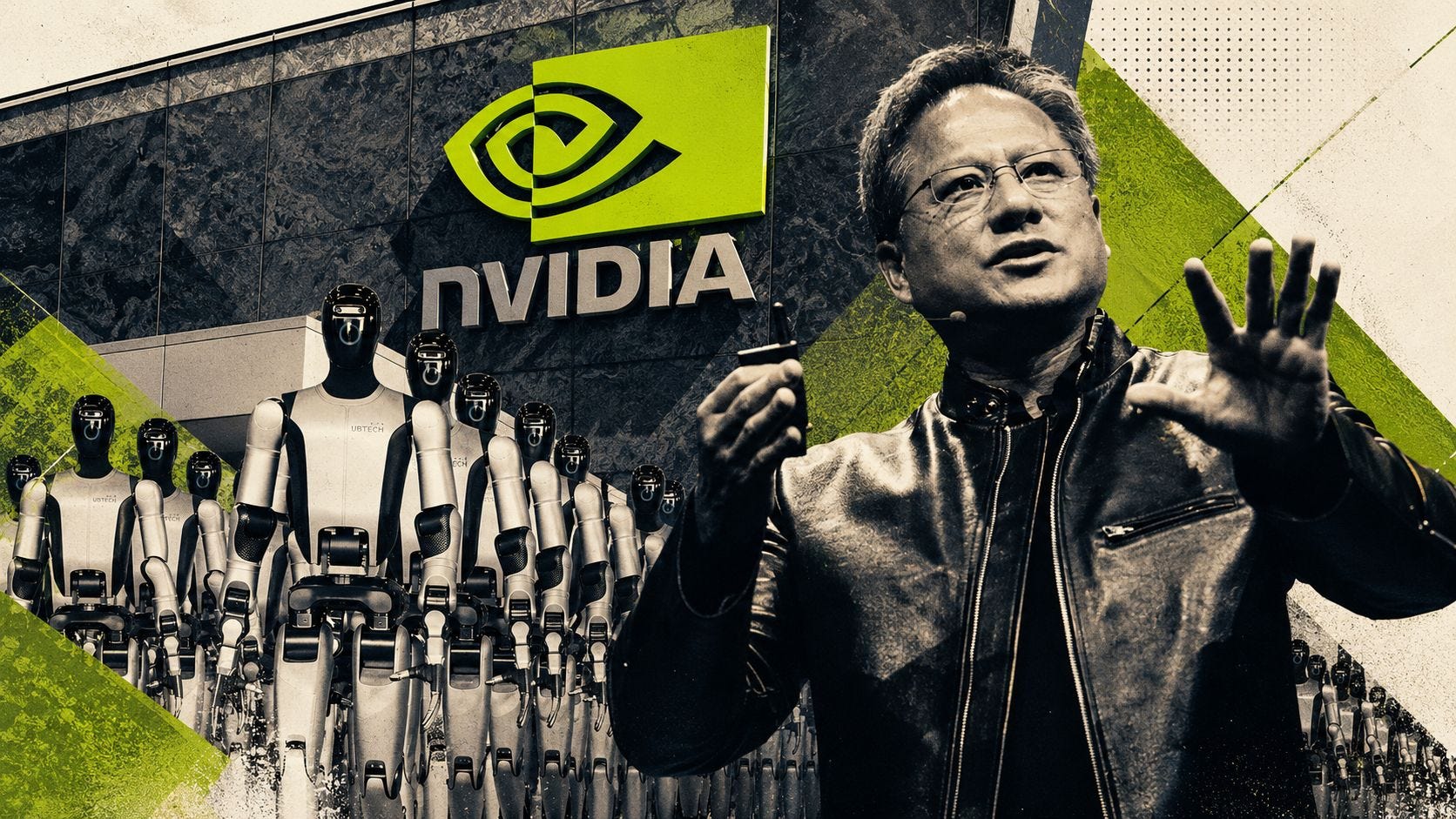
The bottleneck in healthcare robotics has never been the hardware. It’s been data, specifically, the kind of embodied, physical experience that a robot can only get inside a real procedure. Nvidia is betting simulation can replace that experience before a scalpel ever gets involved.
• Nvidia announced Medical Physics Simulation as an open-source addition to its Isaac for Healthcare platform, combining classical physics engines with a generative AI component called Cosmos-H Dreams.
• A benchmark running 8,192 parallel training environments cut training time from over five hours to under two minutes, a throughput gain, though not a clinical validation.
• Early adopters include CMR Surgical (which contributed nearly 500 hours of anonymised clinical data), Johnson & Johnson MedTech, XCath, and Medtronic Structural Heart, each at different stages of exploration.
• None of these is a deployed system operating on patients, all current applications are training exercises or dataset contributions.
The infrastructure advance here is real. Compressing simulation cycles from hours to minutes at scale is not a small thing. But there’s a gap between training fast and training right and whether simulated edge cases actually match what goes wrong in an operating room is a question none of these companies has publicly answered yet.

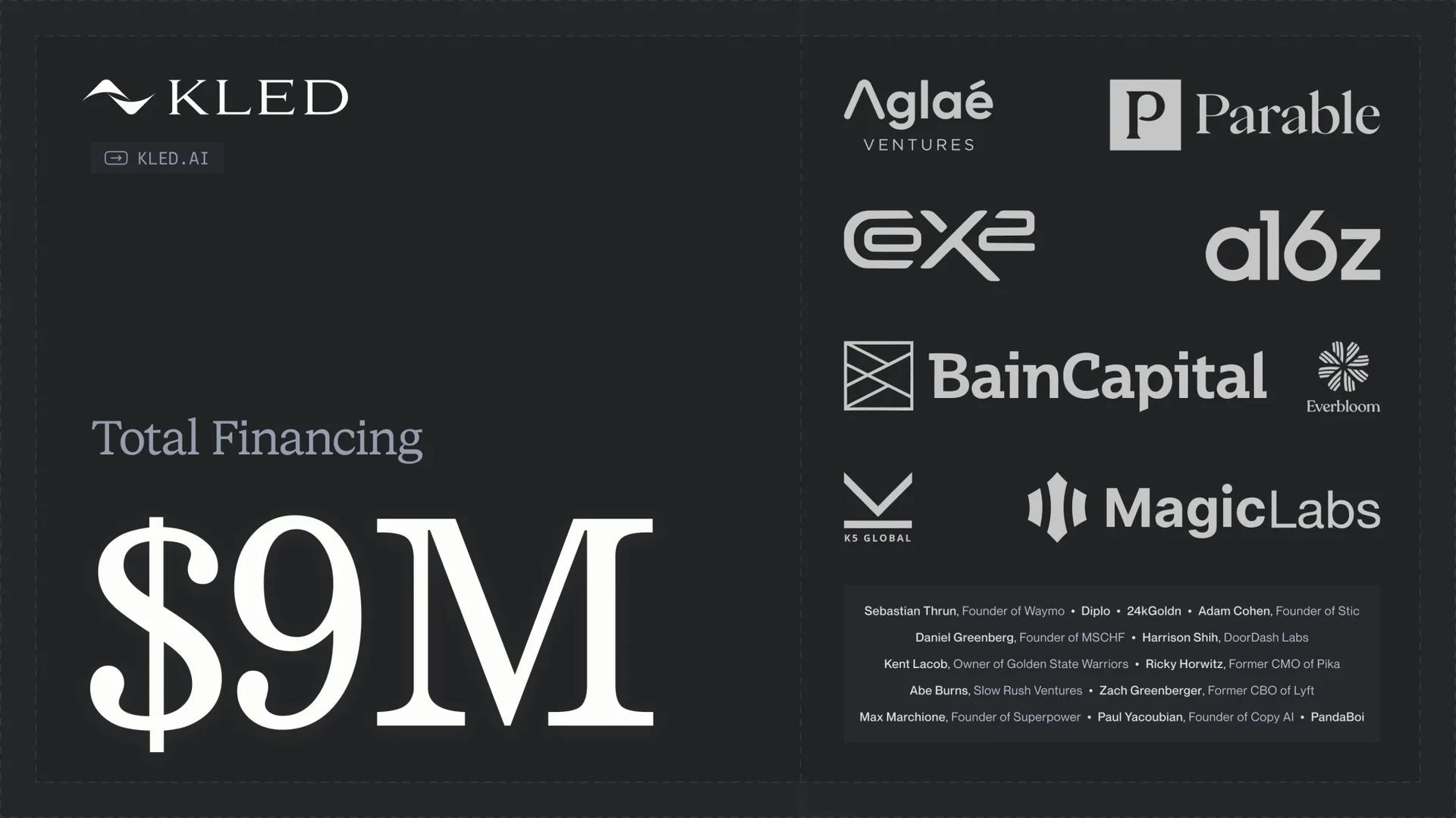
Under the Spotlight: KLED
ORIGIN
Most AI training data comes from the internet. Which means it comes from whatever humans decided to post publicly, polished, filtered, and increasingly synthetic. Kled is going after something different: the stuff that never gets uploaded. Real conversations. Genuine emotions. Daily routines. The unfiltered moments that make up an actual human life.
The model is straightforward. You upload your own videos, you give permission for that data to be used, and you get rewarded when AI companies find it valuable. No scraping. No data harvesting without consent. Just a permission-based marketplace where the person who created the content actually benefits from it.
The core thesis: the best AI models need to learn from real human experience, not just whatever happened to make it onto the public internet.
OPERATIVE
Kled isn’t interested in volume for volume’s sake. The platform is explicitly built around signal quality, what kinds of uploads actually matter, and why.
The most valuable content, according to Kled, includes natural conversations, emotional moments, teaching interactions, daily routines, and group dynamics. The reason is practical: these contain behavioral patterns that AI systems can actually learn from. A random clip from someone’s camera roll isn’t the same as a genuine exchange between people who know each other.
Context matters too. Kled encourages users to organize uploads into named batches, something like “Grandma’s Kitchen” or “Mexico Trip Day 3.” That framing isn’t just aesthetic. It helps both AI systems and human reviewers understand what they’re looking at, which directly affects how useful the dataset becomes to enterprise buyers.
Once content is submitted, Kled runs it through a combined AI and human review process before adding a layer of metadata: location context, activity type, emotional tone, environment. That enrichment is what transforms raw video into something an AI company would actually pay to license.
The pitch to users is a shift in framing, from being the product to being a participant.
SUMMARY
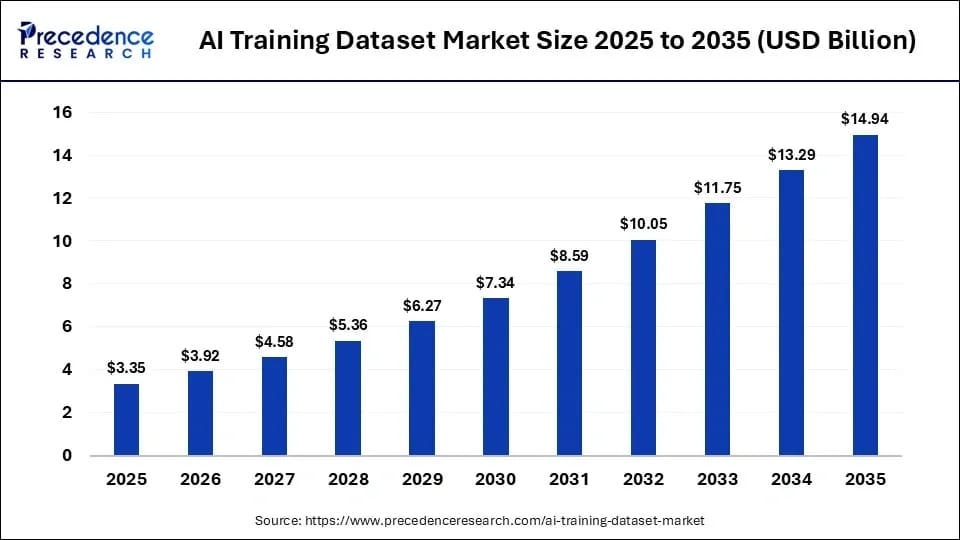
The bet Kled is making is that scraped data has a ceiling. As AI development matures and regulatory pressure around consent increases, companies will need cleaner, permissioned, more human datasets. Authentic lived experience, properly labeled and ethically sourced, could become genuinely scarce in a market where demand keeps climbing.
If that shift happens, Kled is positioned to be one of the few platforms sitting on that kind of supply. The question is timing and whether enterprise AI buyers will pay enough to make the contributor economics work at scale.
COMPETITORS
Kled isn’t alone in the AI data marketplace. Sapien, Grass, and PublicAI are all operating in similar territory, each offering users some form of reward for contributing data to AI training pipelines.
The differentiation Kled is going for is the data type. Grass collects internet traffic. Others focus on text or structured datasets. Kled is betting on personal video: real-life moments, conversations, emotional context, behavioral patterns. The argument is that this category of data is harder to source, harder to fake, and increasingly what frontier AI models actually need.
Whether that niche is wide enough to build a defensible position, that’s the open question.

Peter Lynch: The Simple Investor
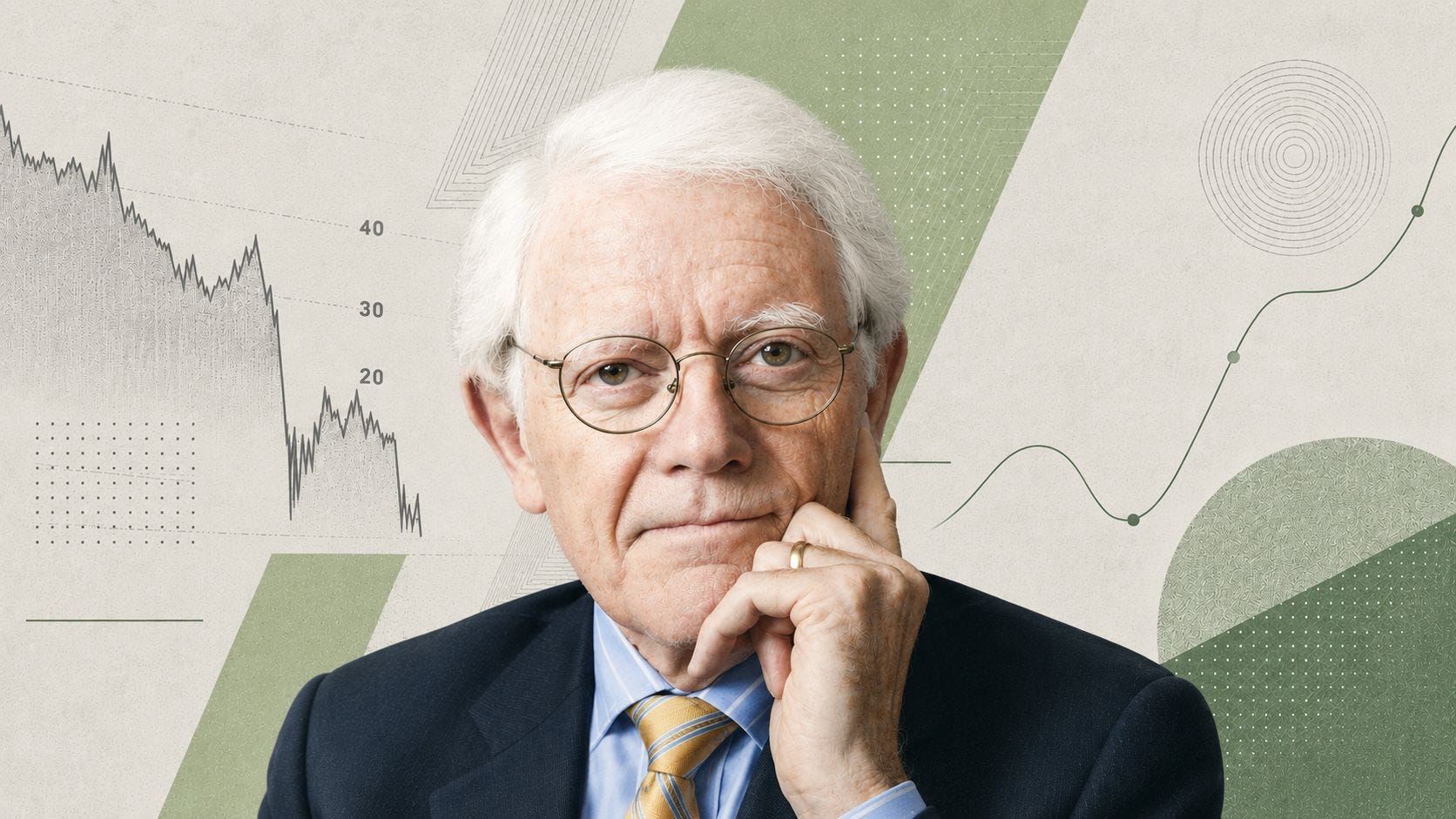
Without a doubt, Peter Lynch is one of the most prominent names on Wall Street, and he achieved that with a very simple investment philosophy: invest in businesses he understood. His greatest run came between 1977 and 1990, delivering an average annual return of 20%. Let’s take a look at his story.
Beginnings
After his father’s death, he started working as a caddie at a golf club where most of the members were executives from Fidelity Investments. Listening to their conversations caught his attention, and thanks to that he was eventually able to land an internship.
A few years later, he joined the firm as an analyst and, at just 33 years old, was appointed manager of the Magellan Fund, transforming a fund with $18 million in assets into one managing $14 billion, turning it into a legend.
“Invest in What You Know”
Probably Peter’s most famous quote, and also the one that has been misunderstood the most. That knowledge wasn’t about investing in companies simply because you like their products or brand, even though that can certainly be the starting point that sparks your interest.
Real knowledge of a company comes from studying its business, philosophy, outlook, projections, and industry. Basically, it comes from studying the numbers.
The Search for “Tenbaggers”
I’m sure you’ve all heard this term: tenbaggers. It simply refers to stocks capable of increasing tenfold. His philosophy was that you didn’t need to be right all the time.
Finding just a handful of extraordinary companies throughout your investing career was enough to achieve exceptional results, as long as your mistakes remained under control.
That’s why he spent much of his time looking for companies capable of growing for many years, rather than chasing short-term moves.
Growth Alone Isn’t Enough
Peter certainly liked companies with strong growth, but he also understood that the price you pay is just as important as the growth itself.
That’s why he popularized the PEG ratio, which relates the P/E ratio to earnings growth.
The logic behind it was very simple: a company growing its earnings at 25% per year deserves a higher valuation than one growing at 5%, but there is always a price at which even a great company stops being a good investment.
Ignore the Noise
Another of his greatest lessons was not to become obsessed with macroeconomic variables. While much of the market was trying to predict recessions, interest rates, or the Fed’s next move, Lynch preferred to spend that time reading financial statements and understanding how businesses actually worked.
His Legacy
More than thirty years after his retirement, Peter Lynch’s lessons remain as relevant as ever. Markets have changed, algorithms emerged, artificial intelligence and social media have accelerated the flow of information, but investor psychology remains exactly the same, and that’s what makes the market so fascinating.
Perhaps that’s Peter Lynch’s greatest lesson: investing doesn’t have to be complicated.
⚠️ Are you looking for the Best Trading Community?
Actionable Trading Setups
In-depth Market Research
Daily Bitcoin/AI Sector Analysis
Five Analysts to Guide you
✅ Join here: discord.gg/rand

If Nvidia was a person, they would have a gambling problem.
Rand! What’s up!